Solid Earth Dynamics

What is the present-day physical and chemical state of the solid Earth? How did it dynamically evolve over geological time, leaving behind the geological, geophysical and geochemical signatures across the globe?
My research on solid Earth dynamics focuses on the following aspects:
- Not all hotspots are hot. Data-based interpretation of global volcanism, at hotspots (Bao et al. 2022; Cai et al. In Revision), mid-ocean ridges (Bao et al. 2024; Zhang et al. 2023; Wang et al. submitted) and subduction zones (Li et al. 2023).

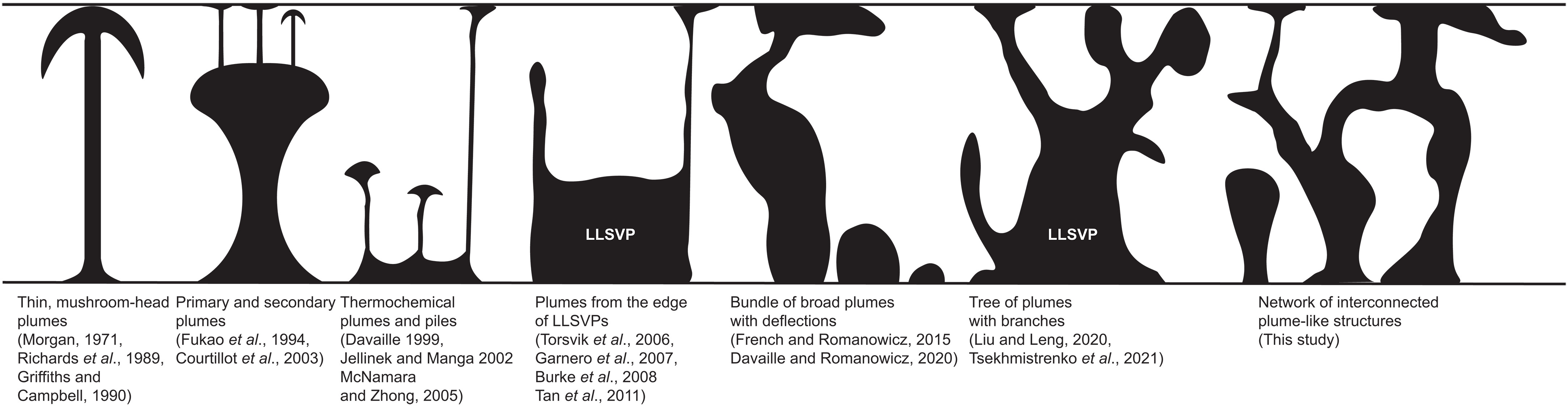
- Plumes in the lab. Dynamical modeling of mantle plume evolution pathways, source entrainment and surface expressions (Bao and Lithgow-Bertelloni 2024; Bao and Lithgow-Bertelloni Revision Under Review; Bao and Lithgow-Bertelloni Revision Under Review).

- Mapping the deep mantle. Constraining the distribution of deep mantle heterogeneities and rheological properties (Bao et al. 2026; Bao 2024b). Using a graph-theory framework to trace plausible plume pathways through seismic tomography, and clustering them jointly with lava isotopes, we built the first joint geophysical-geochemical zoning map of the lowermost mantle beneath East Africa and the Indian Ocean, resolving at least three domains within the African LLSVP (Bao et al. 2026).
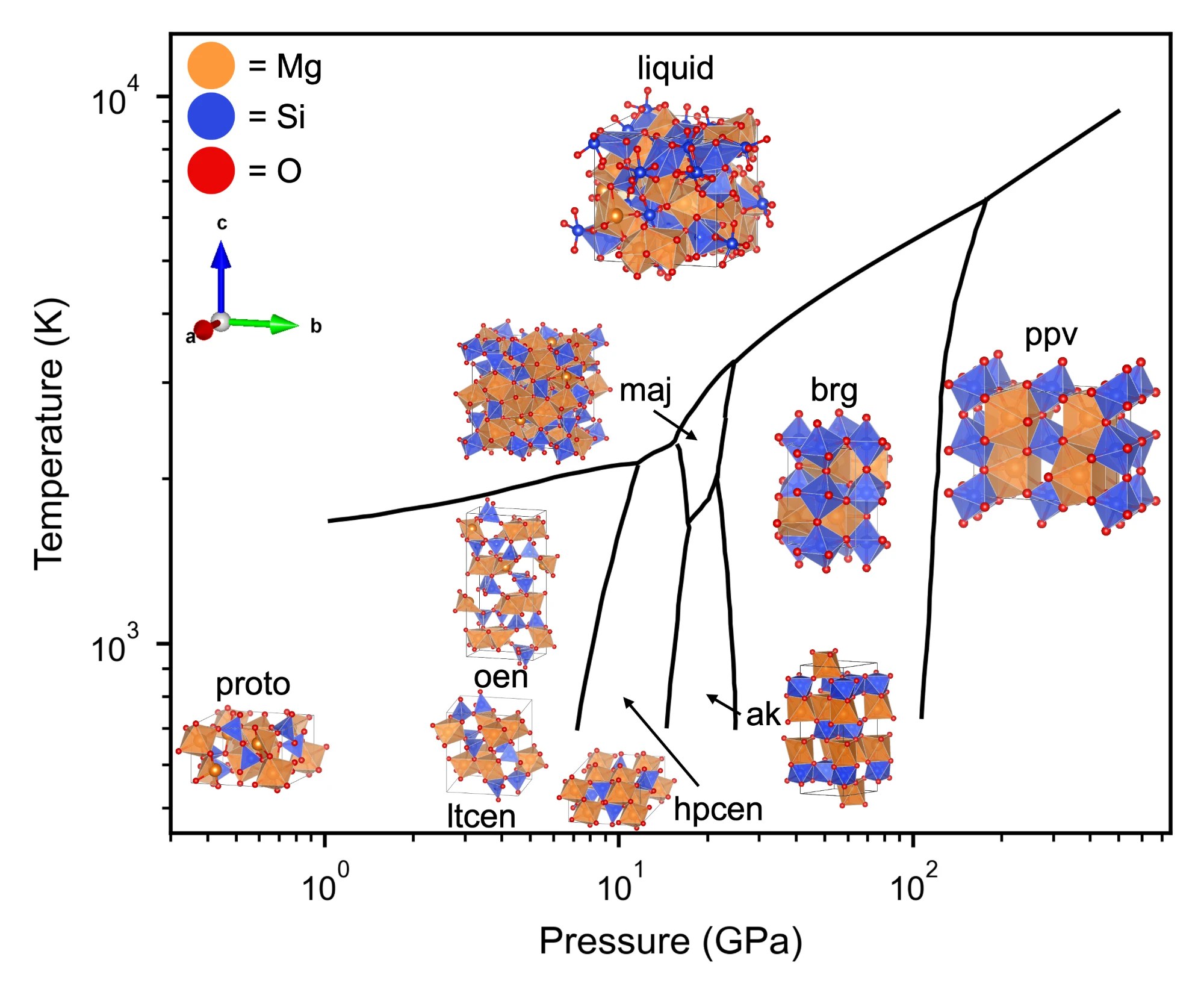
- Mantle minerals and melts. Structural controls on the properties of mantle minerals and melts, e.g. what makes MgSiO3 liquid resemble its crystalline polymorphs at the atomic scale (Acquadro et al. 2026).